
Evidence-Based Alternatives for Skin, Hair and Nail Health
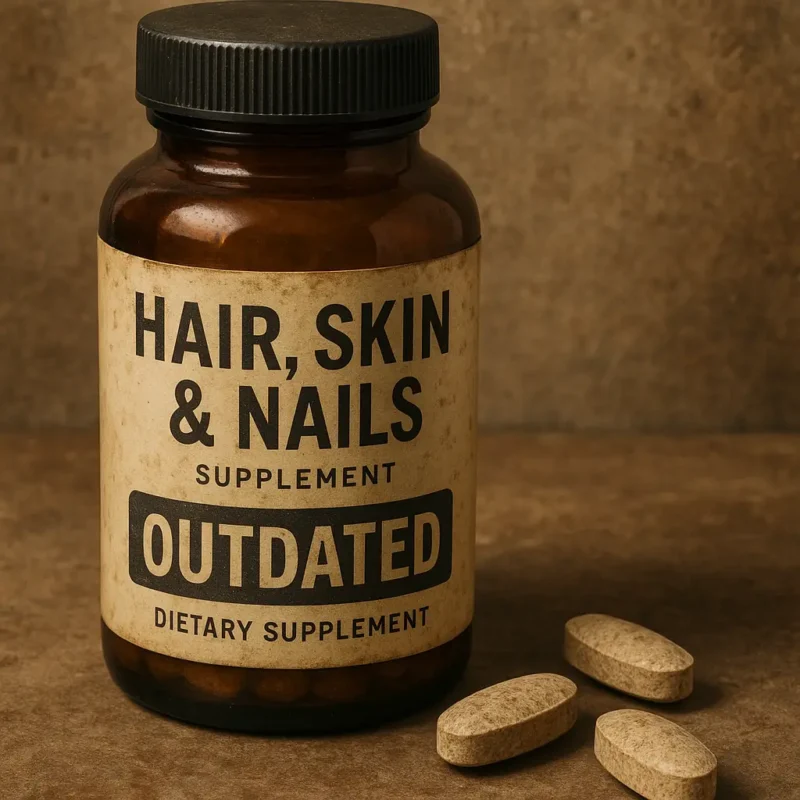
Skin, hair and nails supplements have been a staple in the supplement industry for decades. They are widely marketed as a simple solution for hair growth, glowing skin and strong nails. However, emerging research in dermatology, nutrition and functional medicine now shows that many of these traditional formulas are outdated, poorly targeted and not evidence-aligned.
If you are still relying on generic “skin, hair and nails” supplements, it may be time to reconsider whether they address the true biological drivers of skin and hair concerns.
Why Skin, Hair and Nails Supplements Became Popular
Historically, early research linked deficiencies in nutrients such as:
- Biotin
- Zinc
- Vitamin A
- B-complex vitamins
to changes in hair and nail structure. Supplement manufacturers responded by creating broad multinutrient formulas, often containing high doses of biotin and zinc.
While these supplements may be beneficial in true deficiency states, most people using them today are not deficient.
The Problems with Traditional Skin, Hair and Nails Supplements
1. High-Dose Biotin Without Clinical Indication
One of the most common issues with traditional skin, hair and nails supplements is excessive biotin dosing.
What the research shows:
- Biotin deficiency is rare in healthy adults
- High-dose biotin has limited evidence for improving hair or nail growth in non-deficient individuals
- Biotin supplementation can interfere with laboratory blood tests, including thyroid and cardiac markers
In many cases, high-dose biotin adds risk without meaningful benefit.
2. Generic Nutrient Blends That Ignore Skin Biology
Most skin, hair and nails supplements rely on multivitamin logic rather than skin-specific mechanisms.
They often fail to address:
- Collagen degradation
- Skin barrier dysfunction
- Oxidative stress
- Chronic inflammation
- Hormonal drivers of acne or hair thinning
Modern skincare focuses on these mechanisms—nutritional support should follow the same science.
3. No Personalisation or Root-Cause Targeting
Hair loss, acne, pigmentation and brittle nails do not share a single cause.
For example:
- Adult acne may be inflammatory or hormonally driven
- Hair shedding may be stress-related, post-viral or nutrient-depleting
- Premature aging is strongly linked to oxidative stress and UV exposure
A single “skin, hair and nails” formula cannot address all of these pathways effectively.
What Evidence-Based Beauty Supplements Focus On Today
Modern, evidence-based beauty supplementation mirrors dermatological and nutritional science, rather than outdated marketing trends.
1. Collagen Support With Cofactors
Clinical studies support the use of collagen peptides for:
- Skin elasticity
- Wrinkle depth reduction
- Dermal hydration
However, collagen synthesis also requires:
- Vitamin C
- Adequate amino acid availability
- Anti-inflammatory support
Collagen alone is not enough.
2. Skin Barrier Repair and Hydration Support
The skin barrier plays a critical role in:
- Acne
- Eczema
- Sensitivity
- Trans-epidermal water loss
Evidence-based nutrients that support barrier function include:
- Phytoceramides
- Omega-3 fatty acids
- Vitamin E
- Zinc (at physiologically appropriate doses)
Barrier repair is now central to both topical and oral skin health strategies.
3. Antioxidants With Human Skin Data
Modern beauty supplements prioritise antioxidants with human clinical evidence, including:
- Astaxanthin
- Coenzyme Q10
- Lycopene
- Polypodium leucotomos
These compounds help address:
- Photoaging
- Hyperpigmentation
- Oxidative skin damage
4. The Gut–Skin Axis
Growing research highlights the relationship between:
- Gut microbiota
- Systemic inflammation
- Acne, rosacea and eczema
Targeted probiotics and prebiotics may offer benefits where traditional skin, hair and nails supplements do not.
5. Hormonal and Inflammatory Balance
Hair thinning and adult acne are often not nutrient-deficiency conditions.
Evidence-based approaches may include:
- Zinc–copper balance
- NAC
- Omega-3 fatty acids
- Selective use of hormonal modulators where appropriate
This approach requires assessment rather than blanket supplementation.
Why Generic Skin, Hair and Nails Supplements Are Being Phased Out
Consumers are becoming more informed, and regulatory bodies are demanding higher evidence standards.
Outdated skin, hair and nails supplements:
- Rely on old formulations
- Use unnecessary megadoses
- Offer minimal personalisation
- Do not reflect current research
Evidence-based beauty supplementation is now mechanism-driven, targeted and personalised.
Choosing Smarter Alternatives to Skin, Hair and Nails Supplements
Instead of asking:
“Which skin, hair and nails supplement should I take?”
Consider asking:
“What is driving my skin or hair concern biologically?”
The most effective supplementation strategy:
- Targets specific pathways
- Uses clinically supported ingredients
- Avoids unnecessary dosing
- Considers safety and interactions
Final Thoughts
Traditional skin, hair and nails supplements are not inherently harmful but they are increasingly obsolete. You want a holistic approach and looking at your entire body, by having a plan put together for you here, we can navigate your supplements for optimal hair, skin and nail health.
Beauty nutrition is evolving toward:
- Skin barrier repair
- Collagen optimisation
- Antioxidant protection
- Inflammatory and hormonal balance
- Individualised protocols
Just as skincare has evolved, supplementation must evolve too.
Written by Dr Tracey Classens
Evidence-Based Supplement Advisor
AdviseMeHealthy