
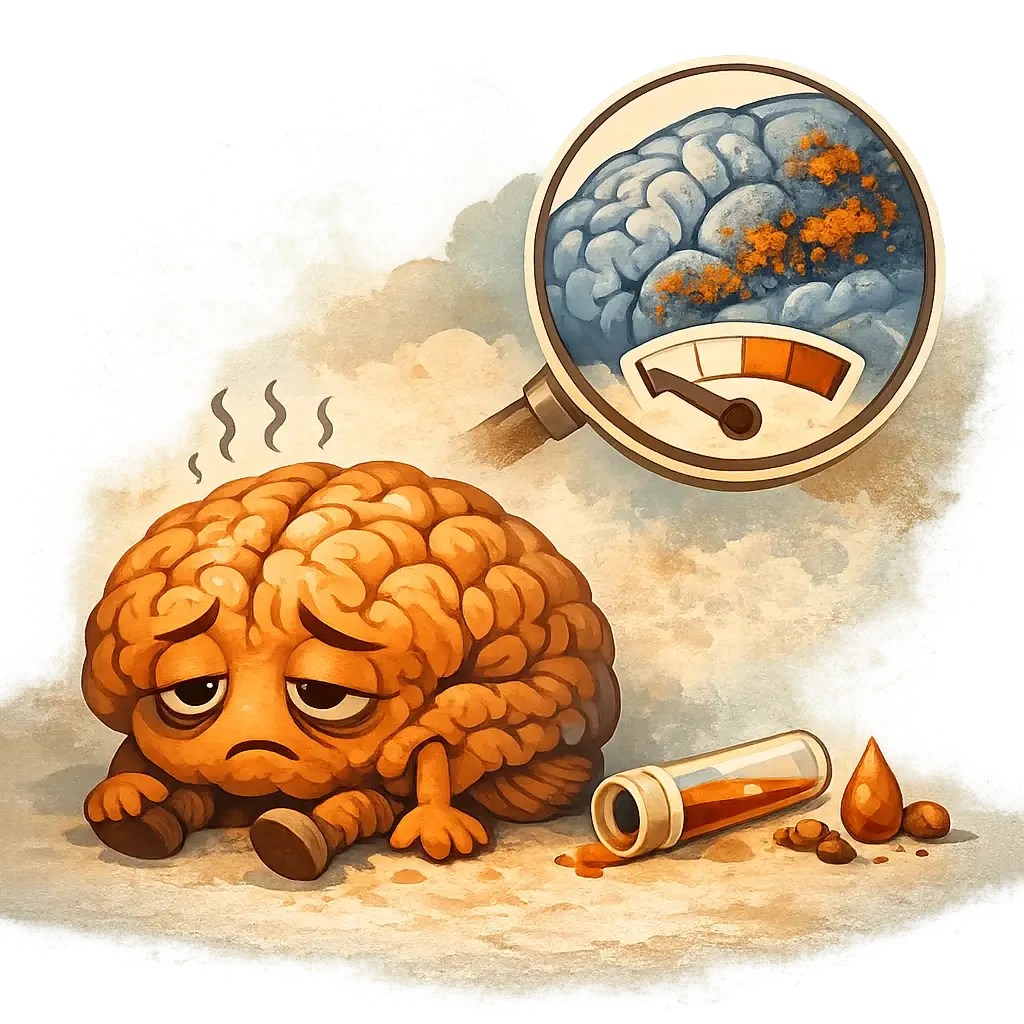
One of the most common things I see in women (including myself) navigating perimenopause is this:
Normal haemoglobin. Normal Ferritin.
They’ve been told everything is “in range” But the fatigue hasn’t gone away.
So you try another supplement. And another.
Before adding anything new, it’s worth understanding how iron is actually interpreted.
Haemoglobin vs Ferritin: They Are Not The Same
Haemoglobin measures the oxygen-carrying capacity of your blood (taxi).
Ferritin measures stored iron.
You can have:
• Normal haemoglobin
• Low or borderline ferritin
• Persistent fatigue
Many women don’t realise ferritin is often the more clinically relevant marker when symptoms are present.
Lab Ranges vs Optimal Ranges
Laboratory reference ranges are designed to detect disease and not necessarily optimal function.
For ferritin, “normal” may start as low as 15–20 µg/L depending on the lab.
Yet many women report fatigue, hair shedding, reduced focus or restless legs when ferritin is below 30–40.
This does not mean everyone needs iron supplementation.
It means interpretation requires context.
Iron Absorption Mistakes Most Women Don’t Know About
Even when iron is prescribed or self-initiated, absorption is frequently compromised.
Common mistakes include:
• Taking iron with coffee or tea
• Combining iron with calcium or magnesium
• Using low elemental iron doses unknowingly
• Duplicating iron across multiple supplements
Iron timing and co-nutrients matter.
Vitamin C enhances absorption.
Calcium and tannins inhibit it.
Small details can make a large difference.
But Iron Isn’t Always The Whole Story
Here’s where supplement confusion escalates.
Fatigue in women 35–50 is rarely caused by one single nutrient.
Iron overlaps with:
• B12 status
• Thyroid function
• Vitamin D levels
• Sleep quality
• Hormonal shifts in perimenopause
• Inflammation
Not Enough Protein!
Increasing iron alone without evaluating the broader supplement stack may not resolve symptoms.
Sometimes the issue isn’t deficiency.
It’s structure.
Why Perimenopause Complicates Everything
Perimenopause introduces:
• Fluctuating estrogen
• Sleep disruption
• Mood shifts
• Heavier menstrual bleeding (for some)
• Changes in stress tolerance
Iron needs may shift.
Absorption patterns may change.
And symptom interpretation becomes more difficult.
This is why many women end up stacking supplements without a cohesive strategy.
Before Adding Another Bottle…
It’s worth asking:
• Do I know my ferritin level?
• Has iron been interpreted in context?
• Am I absorbing what I’m taking?
• Could something else in my stack be interfering?
Clarity is often more valuable than adding more capsules.
Experts acknowledge the risk of functional iron deficiency during this life stage and call for more research to understand whether iron supplementation can alleviate specific symptoms like cognitive decline or fatigue beyond simply correcting anemia.
You can download a blood test form here .
Let me help you work through your nutrient support levels here.