
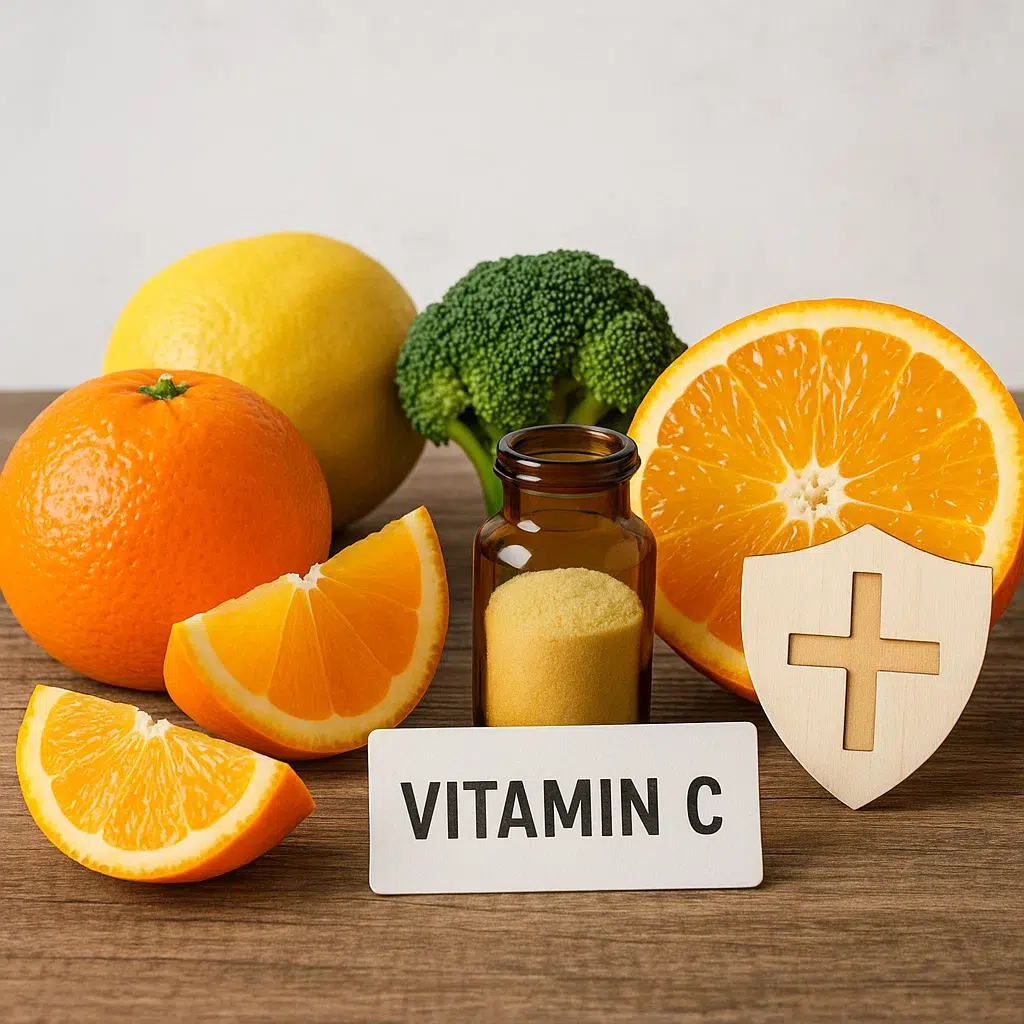
Vitamin C, also known as ascorbic acid, is one of the most talked-about nutrients when it comes to immune health. It’s an essential vitamin — meaning your body cannot make it, so you must get it through diet or supplements. Many individuals consider oral supplementation of vitamin C to ensure they meet their daily requirements.
Oral supplementation of vitamin C can be a proactive approach to meeting your nutritional needs.
Here’s what the evidence shows:
Oral supplementation of vitamin C may enhance your recovery from illnesses.
Vitamin C is not only essential for immune health but also plays a crucial role in overall well-being. For instance, it assists in the healing of wounds, helps maintain the health of cartilage, bones, and teeth, and promotes the absorption of iron from plant-based foods. These functions underscore its importance in a balanced diet. Moreover, its antioxidant properties help combat free radicals in the body, potentially lowering the risk of chronic diseases.
- Immune cell protection: During infection, immune cells such as neutrophils and lymphocytes produce reactive oxygen species (ROS) to destroy pathogens. Vitamin C acts as an antioxidant, protecting those immune cells from damage and keeping them effective.
- Collagen production: Vitamin C supports the structural integrity of skin and mucous membranes — your first line of defence against microbes.
- Cell signalling: It helps white blood cells (especially T-cells) mature and communicate efficiently, improving your body’s immune response.
Research continues to explore the benefits of oral supplementation of vitamin C in various health conditions.
Oral supplementation of vitamin C is a popular choice among those who want to enhance their immune function.
For those interested in oral supplementation of vitamin C, it is crucial to choose high-quality products.
In short, vitamin C doesn’t create immunity — but it supports the systems that keep your immune defences resilient.
What Research Actually Says
Contrary to popular belief, high-dose vitamin C doesn’t “boost” immunity in healthy people who already get enough from food.
Additionally, the importance of vitamin C extends beyond just immunity. Research has shown that it can also affect mental health. Low levels of vitamin C have been associated with increased risk of mood disorders. This highlights the nutrient’s role in supporting not only physical but also emotional well-being.
Many people benefit from oral supplementation of vitamin C, especially during winter months.
Oral supplementation of vitamin C is a viable option for those who may not get enough from their diet.
Consider the oral supplementation of vitamin C if you are looking for a convenient way to boost your intake.
- A review in Frontiers in Immunology (2020) found that while deficiency impairs immune function, extra vitamin C offers limited benefits once normal blood levels are achieved.
- Large trials show that megadoses (1 g + per day) don’t prevent the common cold, but may shorten duration slightly in certain groups like athletes or those under stress.
- Older adults, smokers, and those with chronic illness or poor diets tend to benefit most from supplementation.
Moreover, vitamin C can interact with other nutrients in your diet. For example, it enhances the absorption of non-heme iron, which is found in plant foods. This is particularly beneficial for vegetarians and vegans who may struggle to meet their iron needs. Consuming vitamin C-rich foods alongside iron sources, such as beans and lentils, can significantly increase iron absorption.
So, vitamin C is essential — but more is not necessarily better.
Whole-Food Vitamin C vs. Ascorbic Acid: What’s the Difference?
Ascorbic acid is the isolated, synthetic form of vitamin C. It’s chemically identical to the vitamin C found in food and is the most researched and widely used form in clinical studies.
✔ Benefits of Ascorbic Acid
- High potency
- Predictable absorption
- Consistent dosing
- Affordable
- Backed by decades of research
✔ Common Uses
- Immune support
- Iron absorption enhancement
- Collagen production
- Vitamin C for the prevention of deficiency-related symptoms
This is the form most people think of when they consider the supplementation of vitamin C.
Research shows that vitamin C absorption is similar between synthetic ascorbic acid and natural vitamin C when taken orally. However, whole-food vitamin C may provide slower, steadier absorption due to bioflavonoids.
When to Consider Supplementing
You might consider a vitamin C supplement if you:
- Rarely eat fruit or vegetables
- Are elderly or recovering from illness
- Smoke or drink alcohol regularly
- Experience chronic inflammation or stress
- Have digestive conditions that impair nutrient absorption
There is also a growing interest in the potential of vitamin C in treating various health conditions. Some studies suggest that high-dose vitamin C could have therapeutic effects in conditions such as cancer and cardiovascular diseases, although more research is needed to confirm these benefits and establish effective dosages.
When it comes to whole food sources of vitamin C, it’s important to note that whole fruits and vegetables offer a complex matrix of nutrients that work synergistically. For example, citrus fruits are not just high in vitamin C, but they also provide fiber, flavonoids, and other antioxidants that contribute to their health benefits. Eating a variety of these foods ensures that you receive a broad spectrum of nutrients necessary for optimal health.
It’s crucial to remember that while oral supplementation of vitamins can be beneficial in certain cases such as reducing the opportunity of you from getting sick, it should not replace a healthy diet. Whole foods provide additional compounds that work together with vitamins and minerals to promote health. Always consult with a healthcare provider before starting any new supplement regimen to discuss your specific health needs and dietary requirements.
Oral supplementation of vitamin C can be especially beneficial for those under stress.
For most adults, 75–90 mg/day (the RDA) is sufficient, though up to 250–500 mg/day is often used short-term during infection or high stress.
Higher doses (above 1000 mg/day) have diminishing absorption and may cause loose stools.
Tip: If you suffer from reflux or heartburn (especially if using PPIs like pantoprazole), choose a buffered vitamin C such as calcium or sodium ascorbate — gentler on the stomach.
| Food | Average Vitamin C (mg/100 g) |
|---|---|
| Guava | 230 mg |
| Kiwi | 90 mg |
| Red bell pepper | 80 mg |
| Orange | 53 mg |
| Broccoli (steamed) | 50 mg |
| Strawberries | 60 mg |
| Lemon juice | 38 mg |
Aim for at least 2–3 servings of vitamin C-rich fruits or vegetables daily.
Keep in mind that vitamin C is heat-sensitive — so raw, lightly steamed, or air-fried prep methods are best.
Key Takeaways
- Vitamin C is vital for immune defence, collagen synthesis, and antioxidant protection.
- Deficiency weakens immunity — but excess doesn’t “supercharge” it.
- Both natural and synthetic vitamin C are equally bioavailable.
- Prioritise diet first, then consider supplements when lifestyle or medical needs warrant.
- Combine vitamin C with zinc, vitamin D, adequate sleep, hydration, and a balanced diet for true immune resilience.
Many athletes rely on oral supplementation of vitamin C to support recovery.
Including oral supplementation of vitamin C in your routine can help maintain your health.
When discussing oral supplementation of vitamin C, it’s important to consider dosage.
Oral supplementation of vitamin C can sometimes lead to gastrointestinal discomfort if taken in high doses.
Both whole-food vitamin C and ascorbic acid are effective options. The “best” choice depends on your goals, tolerance, and whether you value purity or natural co-factors. For everyday wellness, whole-food vitamin C provides gentle, balanced support. For acute needs or higher dosing, ascorbic acid is cost-effective and clinically reliable.
Choosing the right form of oral supplementation of vitamin C can enhance its effectiveness.
If you’re unsure which form is right for your health, a personalized supplement Script will match the right product and dose to your needs.
For optimal health benefits, consider oral supplementation of vitamin C as part of a balanced diet.
Final Thoughts from Dr Tracey Classens
At Advise Me Healthy, we focus on evidence-based supplementation — not hype.
Vitamin C plays an important role, but immunity is a team effort involving dozens of nutrients, lifestyle factors, and your overall health strategy.
Think of it as one instrument in your body’s orchestra — valuable, but not the entire symphony.
References:
- Carr AC, Maggini S. Front Immunol. 2020;11:574029.
- Lykkesfeldt J, et al. Nutrients. 2013;5(11):4284-4304.
- Levine M, et al. PNAS. 1996;93(8):3704-3709.
- Harvard T.H. Chan School of Public Health – The Nutrition Source: Vitamin C.
To maximize your vitamin C intake, consider incorporating a diverse range of fruits and vegetables into your meals. Smoothies, salads, and stir-fries are great ways to combine multiple sources of vitamin C. For instance, a smoothie with strawberries, kiwi, and a splash of orange juice not only tastes delicious but also packs a powerful vitamin C punch.
In terms of daily intake, it’s essential to tailor your vitamin C consumption to your lifestyle and health status. Athletes may require higher amounts due to increased oxidative stress, while individuals under significant psychological or physical stress might also benefit from additional vitamin C.
Ultimately, achieving a balanced diet rich in fruits and vegetables should be the primary goal. This approach not only ensures adequate vitamin C intake but also promotes overall health through a diverse array of nutrients. Engaging in a healthy lifestyle, including regular exercise and sufficient sleep, also plays a significant role in maintaining a strong immune system.
When planning your diet, think about the role of oral supplementation of vitamin C in your lifestyle.
Consulting with a healthcare provider can help you determine if oral supplementation of vitamin C is right for you.
In summary, oral supplementation of vitamin C supports various health functions and is worth considering.